
Our Short List of 3
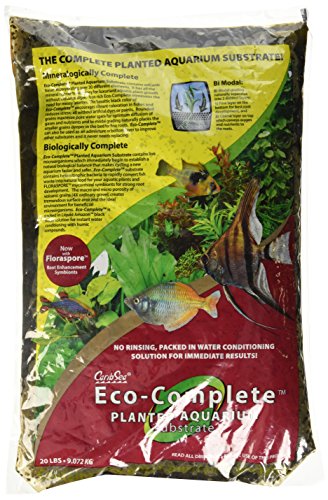
- Best for: Heavily planted tanks where you want a ready-to-use bed with built-in minerals and bacteria.
- 20-pound bag
- Black color
- Model number 770
- Manufacturer: CaribSea, Inc.

- Best for: Shrimp tanks and soft-water planted setups where gentle acidity helps plants and shrimp.
- 8.8-pound bag
- Model number 12694
- Material: volcanic soil
- Item form: granules

- Best for: New aquascapes where you want maximum plant growth and accept a month of extra water changes.
- 9-liter bag
- Grain size: 2–3 mm
- Complete aquasoil with no separate bottom layer required
- Lowers pH and slightly affects water chemistry
All 3 Picks at a Glance
| Product | Specs | Action |
|---|---|---|
| CaribSea Eco-Complete Planted Aquarium Substrate, 20 lb Black |
| Check price on Amazon |
| Fluval Plant and Shrimp Stratum, 8.8 lb |
| Check price on Amazon |
| Tropica Aquarium Soil, 9 L |
| Check price on Amazon |
Key takeaways
- Find the best aquarium substrate for planted tanks, from nutrient-rich aquasoil to inert clay gravel that keeps plants rooted and thriving in your tank.
A planted tank lives or dies at the bottom. The bed under your plants does more than hold stems in place: it feeds roots, hosts helpful bacteria, shapes water chemistry, and sets the look of the whole aquascape. Choose the wrong bed and stems pull loose, leaves yellow, and algae takes hold. Choose the right one and the same plants root deep, spread fast, and fill the tank with color.
The five substrates below cover the main ways to build a planted bed, from nutrient-charged aquasoil to inert clay gravel that lasts for years. Each one suits a different kind of tank, a different level of upkeep, and a different mix of plants and fish. Match the bed to your tank and your livestock first, then confirm the listing is in stock before you order, since availability can change after this guide is written.
Quick Picks
As an Amazon Associate we earn from qualifying purchases
| Product | Best for | Key spec from title |
|---|---|---|
| CaribSea Eco-Complete Planted Aquarium Substrate, 20 lb Black | Heavily planted tanks with root feeders | 20 lb black gravel |
| Fluval Plant and Shrimp Stratum, 8.8 lb | Shrimp tanks and soft-water plants | 8.8 lb volcanic soil |
| Seachem Flourite Black Sand, 7 kg | High-contrast aquascapes and fine-rooted plants | 7 kg fine black sand |
| Seachem Flourite, 7 kg | Long-term beds that never need replacing | 7 kg porous clay gravel |
| Tropica Aquarium Soil, 9 L | Maximum growth in a new aquascape | 9 L complete aquasoil |
How to Choose
Active soil or inert gravel?
Active soils such as Fluval Stratum and Tropica Aquarium Soil feed plants from the bag and gently shift water chemistry, which suits demanding stems and soft-water fish. Inert beds such as the Flourite family and Eco-Complete stay chemically neutral and last for years, but they hold little nutrition on their own, so heavy root feeders need root tabs or liquid fertilizer. Active soils also ask for more water changes in the first month, while inert beds settle fast and suit low-maintenance tanks. Pick active soil for a high-energy aquascape, and inert gravel for a calm tank you want to leave alone.
Grain size and planting ease
Grain size decides how easily you can plant and how well roots hold. Fine sand under 1 mm suits carpeting plants, small stems, and shrimp, but it can compact in deep beds and needs a gentle fill to stay clear. Medium gravel in the 2 to 5 mm range anchors larger root feeders such as swords and crypts, and it lets water flow to the roots. Powder grains suit tiny foreground plants but cloud the water at the slightest touch. Avoid sharp, rough grains if you keep corydoras or loaches, since those fish sift the bottom with soft barbels and can get hurt on rough edges.
Water chemistry and livestock
Aquasoils lower pH and soften water, which suits tetras, rasboras, and dwarf shrimp, but they clash with African cichlids and other hard-water fish that need alkaline water. Inert clay gravels leave pH alone, so they suit almost any freshwater community. Eco-Complete can lift pH above neutral, so it suits discus and sensitive shrimp less well. Always check what your fish need before you pick a bed, and test pH and carbonate hardness after the tank settles. A substrate that fights your water is a daily chore; one that matches it fades into the background and lets the plants do the talking.
How much you need and how to lay it
Plan on a bed 2 to 3 inches deep, sloping deeper toward the back for a natural look. A rough rule is about a pound of substrate per gallon for a one-inch layer, so a 20-pound bag covers a 10-gallon tank at about 2 inches. Rinse inert gravels and sands until the water runs clear, since transport dust clouds a new tank for days. Do not rinse aquasoils, because rinsing crushes the soft grains and makes the clouding worse. Fill the tank slowly over a plate or a plastic bag, plant before the water gets deep, and give the tank a few days to clear before adding fish.
The 5 Best Options
CaribSea Eco-Complete Planted Aquarium Substrate, 20 lb Black
- Best for: Heavily planted tanks where you want a ready-to-use bed with built-in minerals and bacteria.
- 20-pound bag
- Black color
- Model number 770
- Manufacturer: CaribSea, Inc.
Heavily planted tanks where you want a ready-to-use bed with built-in minerals and bacteria.
It may lift pH above neutral, so it suits discus and sensitive shrimp less well — check your livestock needs first.
Eco-Complete is a volcanic basalt gravel packed in a nutrient-rich liquid, so it arrives ready to use with no rinsing. The bag holds iron, calcium, magnesium, potassium, sulfur, and over 25 other trace elements that feed roots, plus live bacteria that turn fish waste into plant food. Its porous spherical grains give roots room to spread and host colonies of helpful bacteria. The grain mix grades itself into a fine layer below and a coarser layer above, which moves oxygen and nutrients down to the roots. A 20-pound bag covers a 10-gallon tank at about 2 inches, and the black color makes green plants and fish stand out.
Watch out for: It may lift pH above neutral, so it suits discus and sensitive shrimp less well — check your livestock needs first.
Fluval Plant and Shrimp Stratum, 8.8 lb
- Best for: Shrimp tanks and soft-water planted setups where gentle acidity helps plants and shrimp.
- 8.8-pound bag
- Model number 12694
- Material: volcanic soil
- Item form: granules
Shrimp tanks and soft-water planted setups where gentle acidity helps plants and shrimp.
Granules are light and can crumble with rough handling, so fill slowly and keep large digging fish away from fresh plantings.
Fluval Stratum is a natural volcanic soil collected from the foothills of Mount Aso in Japan, made for planted and shrimp tanks. Its porous granules let roots spread and feed easily, and they hold a neutral to slightly acidic pH that most tropical plants, fish, and shrimp prefer. The light, non-compacting structure makes planting easy, and the granules give young shrimp refuge from larger tank mates. It comes in 4.4, 8.8, and 17.6-pound bags, and the 8.8-pound bag covers many 10 to 20-gallon footprints at a modest depth. Fill slowly and handle the granules gently, since rough handling can crumble them.
Watch out for: Granules are light and can crumble with rough handling, so fill slowly and keep large digging fish away from fresh plantings.
Seachem Flourite Black Sand, 7 kg
Flourite Black Sand is a finely crushed porous clay with grains under 1 mm, made for freshwater planted tanks. The dark charcoal finish gives aquascapes a high-contrast look that makes green plants and bright fish pop, and the clay acts as a cation-exchange medium that pulls dissolved nutrients from the water toward the roots. It does not alter pH, it holds no added fertilizer, and it never needs replacement. The fine grain suits carpeting plants, small stems, and shrimp, but it demands a thorough rinse before use — expect several washes before the water runs clear — and it can compact in beds deeper than 2 inches.
Specs
- 7 kg bag
- Grain size under 1 mm
- Material: porous clay
- Color: black
- Does not alter the pH of the water
- Does not need replacement
Best for: High-contrast aquascapes, carpeting plants, and shrimp tanks where a fine dark bed shows off green plants.
Watch out for: Rinse well before use — dust can cloud the tank for days if you skip it — and very fine grains can compact in beds deeper than 2 inches.
Seachem Flourite, 7 kg
Flourite is a specially fracted porous clay gravel in a red-brown color, built to last for the life of the aquarium. It is not chemically coated, it will not alter pH, and it needs no laterite, so it suits almost any freshwater community. A 7 kg bag holds about 7,000 cubic centimeters of bed, enough for a 10-gallon tank at a 2-inch depth. The heavy grains anchor large root feeders such as swords and crypts, and the porous surface hosts helpful bacteria. It is dusty until rinsed, and the bag has a mesh bottom that makes rinsing easier, but sharp edges can bother bottom dwellers that sift the bed.
Specs
- 7 kg bag
- Volume: about 7,000 cubic centimeters per bag
- Material: specially fracted porous clay gravel
- Does not alter the pH of the water
- Does not need laterite supplementation
- Good for the life of the aquarium
Best for: Long-term planted tanks where you want a permanent bed and plan to feed plants with root tabs.
Watch out for: Sharp edges can bother corydoras and loaches that sift the bottom, and fine stems can be harder to pin in coarse grains.
Tropica Aquarium Soil, 9 L
- Best for: New aquascapes where you want maximum plant growth and accept a month of extra water changes.
- 9-liter bag
- Grain size: 2–3 mm
- Complete aquasoil with no separate bottom layer required
- Lowers pH and slightly affects water chemistry
New aquascapes where you want maximum plant growth and accept a month of extra water changes.
Do not confuse it with Aquarium Soil Powder, which has finer 1 to 2 mm grains; check pH and carbonate hardness after the tank settles.
Tropica Aquarium Soil is a complete aquasoil with 2 to 3 mm grains, made to work with no separate base layer underneath. The nutrient-charged baked soil lowers pH and softens water, which suits soft-water plants, tetras, and dwarf shrimp in a new aquascape. Its first-month schedule is the catch: change a quarter to a half of the water at least twice a week for four weeks while the soil settles and the chemistry steadies. The grain is non-uniform, which looks natural, and the ammonia release is gentler than ADA Amazonia. It can be harder to find, so confirm stock before you plan around it.
Watch out for: Do not confuse it with Aquarium Soil Powder, which has finer 1 to 2 mm grains; check pH and carbonate hardness after the tank settles.
Which One Fits Your Situation
You keep shrimp and soft-water fish
Pick Fluval Stratum or Flourite Black Sand. Both suit shrimp tanks: fine grains give young shrimp refuge, gentle chemistry keeps pH in the soft range, and the dark bed shows off shrimp colors. Avoid sharp coarse gravel, since shrimp graze the bed all day, and skip active soils that swing pH if your shrimp come from hard-water stock.
You want a bed you never replace
Pick Flourite or Flourite Black Sand. Both are inert clay that lasts for the life of the tank, with no pH shift and no decay to manage. Feed heavy root feeders with root tabs or liquid fertilizer instead of relying on the bed for nutrition. Rinse well at setup, lay the bed 2 to 3 inches deep, and the same substrate can serve tank after tank for years.
You want the fastest growth in a new tank
Pick Tropica Aquarium Soil or Eco-Complete. Both bring nutrition from the bag, so demanding stems and carpets root fast in a fresh aquascape. Tropica asks for a month of frequent water changes, while Eco-Complete may lift pH, so check your fish first. Pair either bed with strong light and steady fertilizer, and growth follows.
You keep hard-water fish
Pick an inert clay bed such as Flourite. Hard-water fish such as African cichlids need alkaline water, and aquasoils that lower pH fight that chemistry every day. Inert gravel leaves pH alone and anchors the big root feeders that suit a cichlid tank. Keep the bed shallow enough to vacuum easily, since these fish dig and stir the bottom.
Common Mistakes
- Skipping the rinse on dusty clay gravels and sands, then fighting cloudy water for days.
- Laying an aquasoil in a tank with hard-water fish that need alkaline water.
- Burying the rhizome of Anubias or Java fern under the bed — rhizomes rot when buried, so tie them to wood or rock instead.
- Making the bed too shallow for big root feeders, so stems pull loose at the first water change.
- Mixing an active soil with a gravel cap and no plan, which can trap debris and starve the roots below.
Frequently Asked Questions
How deep should substrate be in a planted tank?
Most planted tanks do well with a bed 2 to 3 inches deep, sloping deeper toward the back. About a pound per gallon gives roughly a one-inch layer. Big root feeders such as swords and crypts need the deeper end of that range, while carpeting plants root fine in a shallower bed.
Do I need to rinse aquarium substrate before use?
Inert clay gravels and sands need a rinse until the water runs clear, since transport dust clouds a new tank for days. Aquasoils need no rinsing, because rinsing crushes the soft grains and makes clouding worse. Eco-Complete arrives ready to use with no rinsing at all.
Can I mix different substrates in one tank?
Yes. A common layout uses aquasoil in the planted zones and sand in the open areas, which gives each part of the tank the bed it needs. Keep the layers distinct and avoid burying active soil under a thick cap, since a cap can trap debris and starve roots. Match the grain to the plants in each zone.
How often should I replace aquarium substrate?
Inert clay such as Flourite never needs replacement, so you can keep the same bed for the life of the tank. Aquasoils slowly lose nutrition over months to years, and you can top them up with root tabs or replace the bed when growth slows. Vacuum debris from the surface during water changes to keep any bed healthy.
More from Amazon
Programs that pair well with the guide above. Offers and eligibility are set by Amazon and may change.
Free shipping on eligible items, Prime Video and more. Eligible new members can start with a free trial.
Start a Prime free trialAudiobooks and podcasts to listen to on the go. Eligible new members can start with a free trial.
Try Audible freeAd-free music streaming. Eligible new subscribers can start with a free trial.
Try Music Unlimited freeA free business account with business pricing and bulk-buying tools for work, shop or home office.
Create a business accountAs an Amazon Associate we earn from qualifying purchases.

Write Your Review
No reviews yet. Be the first to share your experience!